Why we call our team 'partners'
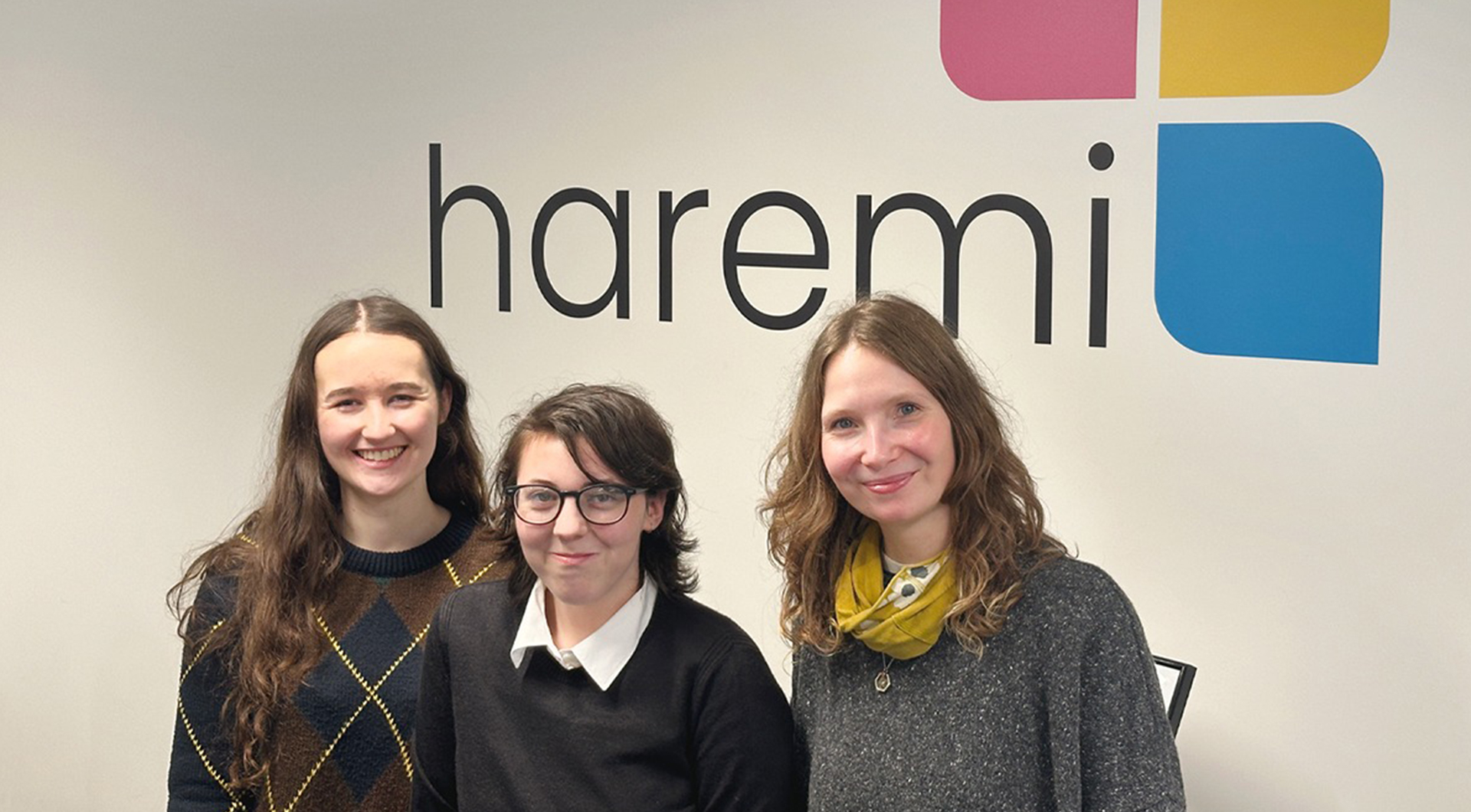
At Haremi, our people aren't employees. They're partners.
On Employee Ownership Day 2026, as employee-owned businesses come together to celebrate what makes them special, I wanted to explain why that choice of language is intentional. For me, it reflects how the business works in practice, how decisions are made, and how we think about the future.
A business owned by its people
In 2021, Haremi moved to majority employee ownership through an Employee Ownership Trust (EOT). Since then, the Trust has owned the company collectively on behalf of everyone who works here.
In practical terms, we own the business together. Not individually, but with a shared stake in its long-term success.
From my perspective, that structure matters. It protects the independence of the company and ensures it is run for the benefit of the people who contribute to it every day, rather than just one individual or a group of external shareholders.
At the same time, ownership on its own doesn't change how a business behaves. What matters more is what we choose to do with it.
What being a partner means in practice
I don't see 'partner' as just a label. It reflects a way of working.
In my experience, it works best when we take a broader view of our roles, not just focusing on individual tasks, but considering the wider business and how we contribute to it.
I find that mindset tends to manifest itself in a number of different ways. For example:
- Taking pride in the quality of what we deliver
- Looking beyond our individual roles to support the wider team
- Contributing ideas to improve how our business works
- Making decisions with both our customers and colleagues in mind
This mindset hasn't been imposed. Instead, it has developed over time, starting well before I joined Haremi five years ago and only strengthening when we all became partners. To many of us, the shift to employee ownership has felt like a continuation of an existing culture, rather than a sudden change in direction.
A stronger collective voice
In my view, one of the main benefits of employee ownership is that it gives people more opportunity to influence how the business operates, whether that's in the day-to-day decisions we make, or the strategic direction we take.
At Haremi, that happens in both formal and informal ways, from structured forums to day-to-day conversations. For example, our Business Improvement Forum plays a practical role in representing partner views, gathering feedback, and contributing to the decisions we make as a company.
Our aim in doing so is straightforward: to make better decisions by drawing on the insight of the people closest to the projects we deliver.
Shared success
Employee ownership also creates a clearer link between how the business performs and how we experience it as a team. When the business does well, partners benefit through performance-linked bonuses. We've found that helps maintain a shared focus on delivering high-quality work and building long-term relationships with our customers.
But for me, shared success isn't only financial. Working collaboratively, trusting in each other and celebrating our achievements together makes every day at work really rewarding.
A long-term perspective
Because the business is owned collectively, there is a natural emphasis on stability and continuity.
We can make decisions with a long-term view, whether that relates to investment, growth, or how people are supported. The focus isn't on short-term gains but on building something that lasts.
That perspective shapes how I think about both project delivery and internal development.
More than a name
For me, calling people partners isn't a question of branding. It reflects how the business is structured and how we operate. It signals that we all have a role in shaping the direction of the company and a shared interest in its success.
For our customers, I think it also explains something fundamental about the way we operate: when you work with Haremi, you're working with people who are personally invested in delivering the very best possible outcome.
Above all else, I think calling ourselves partners sets a standard. It reminds us that our company is not something separate from the people in it. It is shaped by how we work, how we treat each other, and the responsibility we take for the next steps in Haremi's future.